Why Toyota and Lexus Are Smart Choices for Lake Norman Drivers

Buying a vehicle is one of the largest purchases most people make, and choosing the right brand can have a major impact on what that vehicle costs you over the next five, ten, or even fifteen years. While nearly every manufacturer produces vehicles with impressive technology and features today, Toyota and Lexus have built their reputations around something that matters long after the new car smell disappears: reliability.
For drivers in Denver, NC, and throughout the Lake Norman area, Toyota and Lexus vehicles can be particularly attractive because they combine reliability, strong resale value, practical engineering, and a long history of building vehicles designed to stay on the road.
At Denver Auto Techs, we specialize in Toyota and Lexus service and repair, so we see firsthand what these vehicles look like after 100,000, 150,000, and even 200,000 miles. There is a reason so many owners keep them for years instead of replacing them every few model cycles.
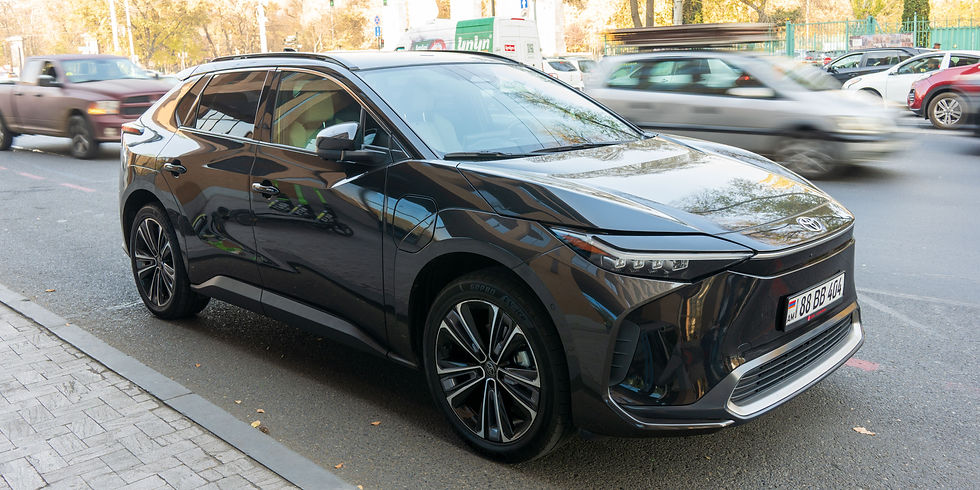
Toyota Built Its Reputation on Reliability
Toyota’s history dates back to the 1930s, when the automotive division of Toyoda Automatic Loom Works began developing automobiles in Japan. Toyota Motor Company was officially established in 1937, and over the following decades the company developed a manufacturing philosophy that would eventually influence industries around the world.
A major part of that success came from the Toyota Production System. Rather than simply producing vehicles as quickly as possible, Toyota became known for continuously identifying problems, improving processes, reducing waste, and emphasizing quality throughout manufacturing.
That philosophy helped Toyota expand globally and eventually become one of the largest automakers in the world. Vehicles such as the Corolla, Camry, Tacoma, 4Runner, Land Cruiser, and RAV4 have developed loyal followings because owners have learned that properly maintained Toyotas can remain dependable for a very long time.
That history matters when you are shopping for a vehicle. Reliability is not something Toyota recently added to its marketing strategy. It has been central to the company’s engineering and manufacturing philosophy for generations.
Lexus Took Toyota Engineering Into the Luxury Market
Lexus has a shorter history, but its roots are directly connected to Toyota.
Toyota began developing its first true luxury vehicle in the 1980s through an ambitious internal project that ultimately produced the Lexus LS 400. Lexus officially launched in the United States in 1989.
The idea was relatively simple: build a world class luxury automobile while maintaining the engineering discipline and reliability associated with Toyota.
That combination helped Lexus establish itself remarkably quickly.
Instead of forcing buyers to choose between luxury and long term dependability, Lexus offered both. Today, vehicles such as the ES, RX, GX, NX, and LS provide the comfort, technology, materials, and refinement expected from a luxury brand while benefiting from Toyota’s extensive engineering and manufacturing experience.
For Lake Norman drivers considering a luxury vehicle, that can make Lexus especially compelling. Luxury vehicles are typically more complicated than economy vehicles, and complicated vehicles can become expensive as they age. Lexus has historically distinguished itself by offering luxury without completely abandoning the emphasis on durability that made Toyota successful.
Toyota and Lexus Vehicles Are Built for the Long Haul
The biggest reason to consider Toyota or Lexus over another brand is not that these vehicles never break. Every vehicle eventually needs repairs.
The advantage is how well many Toyota and Lexus models respond to proper maintenance.
Engines, transmissions, cooling systems, suspension components, and other major systems are generally engineered with longevity in mind. When routine maintenance is performed correctly, it is not unusual for Toyota and Lexus owners to continue driving their vehicles well beyond the mileage where some owners of other brands begin considering replacement.
That can completely change the economics of owning a car.
Imagine purchasing a vehicle and keeping it for 12 or 15 years instead of replacing it after six or seven. Even if you occasionally spend money replacing worn components, avoiding another car payment can represent substantial savings.
This is especially important today, when replacing a vehicle can mean taking on a large monthly payment, higher insurance costs, registration expenses, taxes, and financing charges. Sometimes the least expensive vehicle is simply the reliable vehicle already sitting in your driveway.
Strong Resale Value Makes a Difference
Reliability also affects what happens when you eventually decide to sell.
Used car buyers know the Toyota and Lexus reputations. A well maintained Toyota Tacoma, 4Runner, Camry, RAV4, Lexus RX, or Lexus GX can remain desirable even with significant mileage.
That demand can translate into stronger resale value.
Compare two similarly priced new vehicles. If one becomes difficult to sell once it reaches 100,000 miles while the other still attracts buyers at 150,000 miles, the real ownership costs can be very different.
For drivers around Denver, Sherrills Ford, Mooresville, Huntersville, and the greater Lake Norman area, buying a Toyota or Lexus can therefore provide value at both ends of ownership. You benefit from the vehicle’s durability while you own it and potentially recover more of your investment when it is time to sell or trade.
Proven Technology Can Be an Advantage
New technology is exciting, but being the first owner of completely new automotive technology can sometimes come with a downside.
Toyota has traditionally taken a relatively conservative approach to certain mechanical systems. Rather than changing major components simply because something newer exists, the company has often continued refining proven designs.
That approach may not always produce the flashiest specification sheet, but it can contribute to long term dependability.
Toyota’s experience with hybrid vehicles is a good example. The Prius arrived in Japan in the late 1990s and became one of the vehicles most closely associated with modern hybrid technology. Toyota continued refining its hybrid systems over multiple generations, eventually expanding hybrid powertrains across much of its Toyota and Lexus lineup.
When technology has been produced, tested, serviced, and improved across millions of vehicles, technicians and owners gain a much better understanding of how those systems behave over time.
Maintenance Still Determines How Long Your Toyota or Lexus Lasts
Buying a Toyota or Lexus does not mean maintenance becomes optional.
In fact, one of the best ways to take advantage of Toyota and Lexus reliability is to stay ahead of maintenance rather than waiting for something to fail.
Oil changes are only the beginning. Transmission fluids, coolant, brake fluid, spark plugs, filters, brakes, tires, suspension components, batteries, belts, and other wear items all need attention throughout a vehicle’s life. Catching small leaks, worn components, or developing problems early can prevent much more expensive repairs later.
North Carolina driving conditions matter too. Summer heat around Lake Norman can be tough on batteries, cooling systems, tires, and air conditioning systems. Stop and go traffic, short trips, towing, and long highway commutes can also affect maintenance needs.
A good maintenance strategy should therefore consider the vehicle’s mileage, age, service history, and how it is actually driven rather than relying solely on a generic schedule.
Why Toyota and Lexus Make Sense for Denver and Lake Norman Drivers
There are plenty of good vehicles on the market, and no manufacturer gets everything right. Toyota and Lexus have produced individual models and components with problems just like every other automaker.
What separates them is the broader track record.
Toyota has spent decades building its reputation around manufacturing quality, practical engineering, and durability. Lexus took much of that engineering philosophy and combined it with the comfort and refinement of a luxury brand.
For someone who plans to trade vehicles every two or three years, long term durability may not be the deciding factor. But if your goal is to buy a vehicle, maintain it correctly, pay it off, and continue driving it for years afterward, Toyota and Lexus deserve serious consideration.
That is where the financial advantage of reliability becomes much easier to see.
At Denver Auto Techs, we provide Toyota and Lexus service and repair for drivers in
Denver, NC, Lake Norman, Sherrills Ford, Mooresville, and surrounding communities.
Whether you recently purchased a Toyota or Lexus or you are trying to keep a high mileage vehicle running for another 100,000 miles, proper maintenance is the key to getting the most from what these vehicles were built to do.
If your Toyota or Lexus is due for maintenance, diagnostics, brakes, suspension work, an alignment, or repair, schedule an appointment with Denver Auto Techs and keep your vehicle ready for the miles ahead.


Comments